

What is Vestibular Disease in Dogs?
Is your dog stumbling or tilting their head more often than usual? Or perhaps your dog is having trouble maintaining their balance while walking? If you've noticed any of these concerning symptoms, your canine companion may be dealing with vestibular disease.
In this blog, we will comprehensively cover the topic of canine vestibular disease, including an explanation of what it is, a look at its symptoms, helpful home care tips for managing the condition, and an in-depth look at how canine hydrotherapy can assist in the treatment and recovery process.
What is canine vestibular disease?

Canine vestibular disease, also known as vestibular syndrome or vestibular neuritis, is a condition that affects the inner ear and causes a disruption in a dog's balance and coordination. The vestibular system is responsible for maintaining a dog's sense of balance and spatial orientation, and it consists of the inner ear, the vestibular nerve, and the brainstem.
What are the common symptoms of canine vestibular disease?
Common signs of canine vestibular disease include:
Loss of balance
Difficulty standing, walking, or maintaining balance. Dogs may stumble, fall, or lean to one side.Head tilt
A persistent or exaggerated tilt of the head to one side.Nystagmus (involuntary eye movement)
Rapid, uncontrolled eye movements that may be horizontal or rotary (side-to-side or circular).Reduced appetite
Loss of appetite or difficulty eating, often related to dizziness or nausea.Nausea and vomiting
Some dogs may experience nausea, vomiting, or signs of motion sickness.
What causes canine vestibular disease?
The exact cause of canine vestibular disease is often unknown, but it is thought to be related to inflammation or infection of the inner ear. Other potential causes include trauma, tumours, certain medications, or underlying health conditions such as hypothyroidism.
Is vestibular disease in dogs treatable?
Treatment for vestibular disease depends on the underlying cause and severity of the symptoms. In some cases, supportive care such as providing a quiet and safe environment for the dog to rest and recover may be sufficient. Medications may be prescribed to manage symptoms such as nausea or vertigo. If an underlying cause such as an infection or tumour is identified, appropriate treatment may be recommended.
What should I do if I think my dog has vestibular disease?
If you suspect that your dog may have vestibular disease, it's important to consult with your veterinarian for a proper diagnosis and appropriate treatment options. Your veterinarian will perform a physical examination and may also recommend further diagnostic tests such as blood work, imaging (such as X-rays or MRI), or referral to a veterinary specialist for further evaluation and management.
Most dogs with vestibular disease recover with time and supportive care, although some residual symptoms may persist in some cases. Your veterinarian will be able to provide you with the best advice and care for your dog's specific condition. So, it is important to consult with a veterinarian for an accurate diagnosis and appropriate treatment plan for your dog.
Are there any home remedies and care tips for canine vestibular disease?
Home care tips for dogs with vestibular disease:
Provide a safe, comfortable environment
Create a clear space free from obstacles to reduce the risk of falls. Use non-slip mats on slippery surfaces such as tiles or floorboards, and avoid rearranging furniture during recovery to minimise disorientation.Assist with mobility
Dogs may struggle to stand or walk during a vestibular episode. Use a towel or sling under the abdomen for support when moving, and help them into a standing position if needed. Avoid sudden movements or pulling on limbs.Offer small, frequent meals and fresh water
Reduced appetite and dehydration are common. Offer easily digestible food in small amounts, such as boiled chicken and rice, or a veterinary-recommended diet. Ensure fresh water is always available.Maintain good hygiene
Some dogs may struggle to groom themselves. Assist with brushing, ear cleaning, and nail care as needed, and keep their resting area clean and dry to reduce the risk of infection.Monitor and manage symptoms
Vestibular episodes may last days to weeks. Monitor your dog closely and contact your veterinarian if symptoms change or worsen. Your vet may prescribe medications such as anti-nausea or anti-inflammatory treatments to support recovery.Provide comfort and reassurance
Dogs can feel anxious or confused during an episode. Offer calm reassurance, maintain a consistent routine, and avoid loud noises or bright lights that may increase stress.Follow your veterinarian’s recommendations
Work closely with your vet and follow their guidance for home care and treatment. Additional therapies or support may be recommended based on your dog’s individual needs.
What is hydrotherapy and how can it help with vestibular disease?
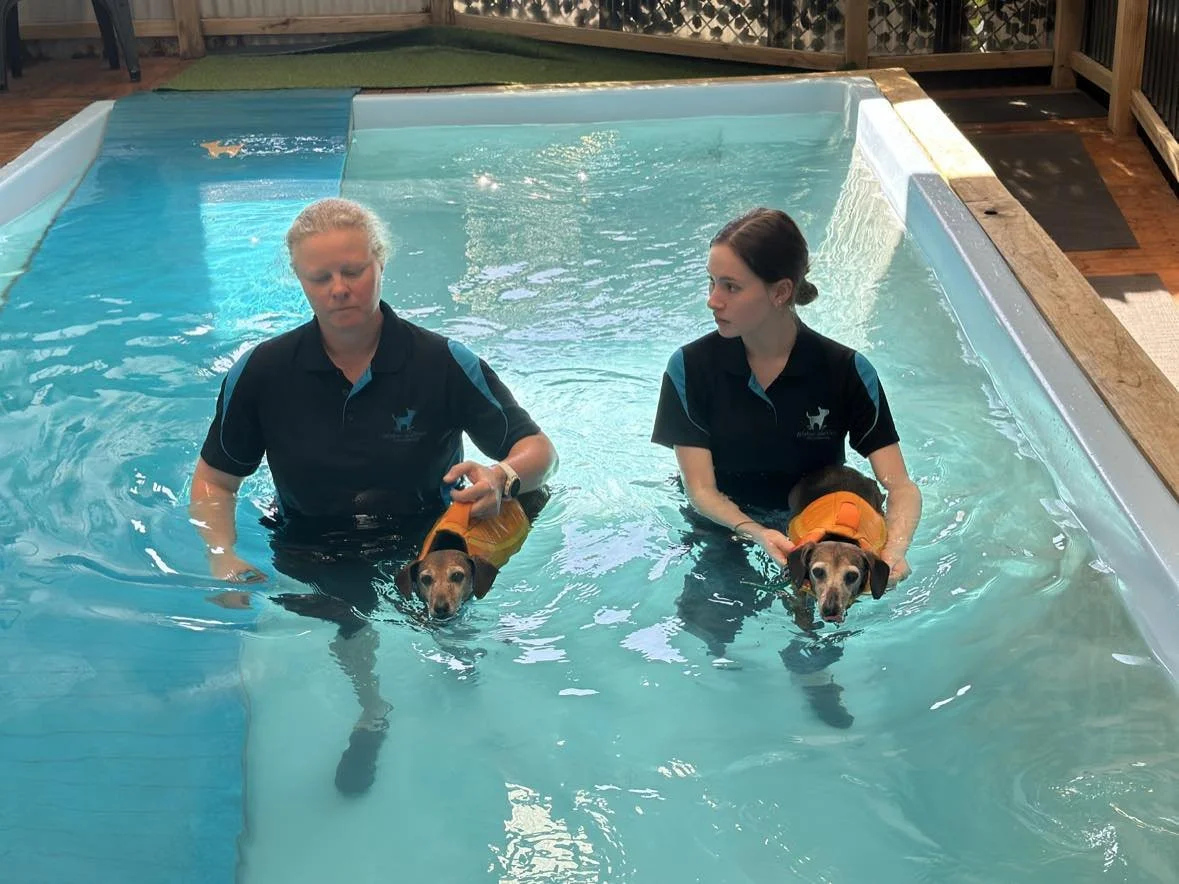
Hydrotherapy can be a beneficial treatment for canines with vestibular disease. It involves the use of water for therapeutic purposes and can be particularly helpful for dogs with vestibular disease due to its low-impact and supportive nature.
Here are some ways hydrotherapy can be used for canines with vestibular disease:
How hydrotherapy can support dogs with vestibular disease:
Underwater treadmill
A controlled, water-supported environment that allows dogs to walk safely. The buoyancy of the water reduces load on joints and muscles while helping improve balance, coordination, and confidence during movement.Pool therapy
Swimming provides low-impact exercise with full body support. It can help improve muscle strength, cardiovascular fitness, and balance without placing additional strain on joints.Water-based balance exercises
Gentle exercises performed in shallow or supported water may include standing work, controlled weight shifting, and slow, guided movements to encourage coordination and postural control.Stress relief and nervous system support
Warm water can help promote relaxation and reduce stress and anxiety. This calming effect may assist in managing symptoms such as nausea, disorientation, and tension during vestibular episodes.
Things to consider before starting hydrotherapy
It's important to work with certified canine hydrotherapists like Water Walkies to develop a hydrotherapy program that is tailored to your dog's specific needs and condition. They can assess your dog's overall health and provide recommendations on the appropriate type, duration, and frequency of hydrotherapy sessions to ensure your dog's safety and well-being.
Moreover, hydrotherapy should always be done under the supervision of a qualified professional to ensure that it is done safely and effectively. Overall, hydrotherapy can be a valuable adjunct treatment for canines with vestibular disease, helping to improve their balance, coordination, and overall well-being. Always consult with your veterinarian before starting any new treatment or exercise program for your dog.
Takeaway
Vestibular disease can be distressing for both you and your dog, but with appropriate care and support, many dogs recover well over time. Your veterinarian should always be consulted for diagnosis and guidance on an individualised treatment plan. From there, supportive therapies such as hydrotherapy may be recommended to help improve balance, confidence, and comfort during recovery. Continue to monitor your dog closely and contact your vet if you notice any changes or have concerns about their progress.
Concerned about your dog’s balance or recovery?
Following veterinary diagnosis, supportive therapies such as hydrotherapy may help improve confidence, coordination, and comfort during recovery. Our team can guide you through appropriate next steps as part of a personalised wellness plan.
Originally Posted June 5, 2023