

Understanding and Tackling Obesity in Dogs
Humans are not the only ones who experience weight problems. Our canine companions can also struggle with maintaining a healthy weight, especially when left to their own devices. That is why as fur parents, it’s our responsibility to make a conscious effort to help them manage their weight.
In this blog post, we’ll discuss what is obesity in dogs and share some tips on how to manage the condition in the most effective way possible. This includes, among other things, regular exercise, behaviour modification, and canine hydrotherapy.
What is obesity in dogs?
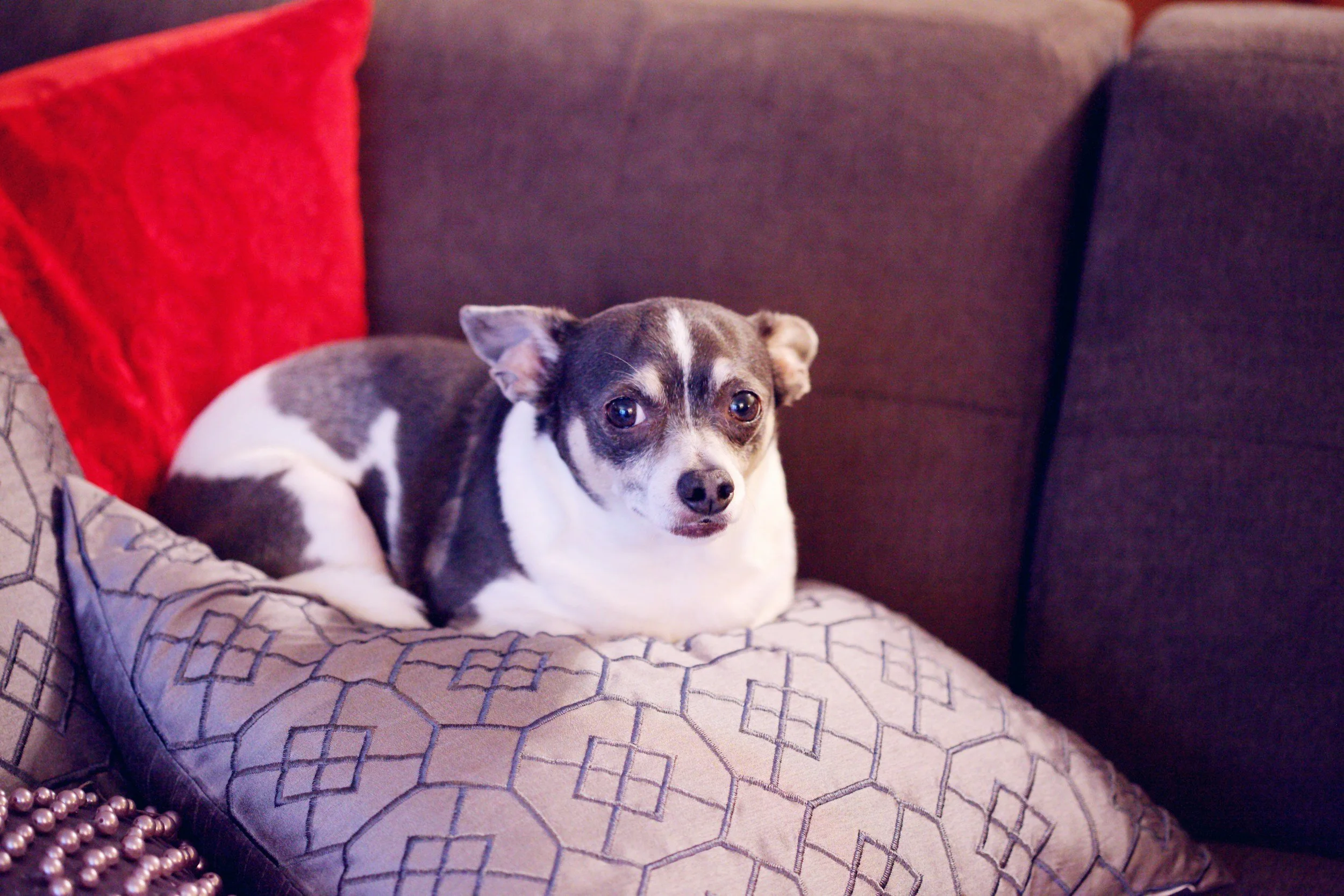
Obesity is a common health issue in dogs and can have serious consequences on their overall health and well-being. Obesity is defined as an excess accumulation of body fat, often resulting from an imbalance between energy intake and energy expenditure. There are several factors that can contribute to obesity in dogs, including genetics, age, breed, sex, neutering, diet, lack of exercise, and underlying health conditions. Managing and preventing obesity in dogs is essential for their long-term health and quality of life.
How can I help my overweight dog lose weight?
Key considerations when managing obesity in dogs (especially those with osteoarthritis):
Exercise
Regular exercise is important for maintaining mobility in dogs with osteoarthritis. High-impact activities such as running and jumping should be avoided, as they can worsen joint pain. Low-impact options such as short, controlled walks, swimming, or gentle stretching exercises are more appropriate.Weight management
Excess body weight increases pressure on joints and can exacerbate arthritis symptoms. Work with your veterinarian to determine a healthy weight for your dog and develop an appropriate diet and exercise plan to support safe, sustainable weight management.Supplements
Joint-support supplements, including glucosamine and chondroitin, may help reduce inflammation and support joint health. Always consult your veterinarian to determine whether supplementation is suitable and to establish the correct dosage.Pain management
Your veterinarian may recommend or prescribe pain-relief medications to help manage arthritis-related discomfort. Follow dosage instructions carefully and monitor your dog for any side effects or changes in behaviour.Comfortable sleeping arrangements
Provide a supportive, well-padded bed that helps reduce pressure on joints and is easy for your dog to access, particularly for dogs with stiffness or reduced mobility.Assistive devices
Mobility aids such as ramps, steps, or harnesses can help dogs move more comfortably and reduce strain when accessing furniture, navigating stairs, or getting in and out of vehicles.Regular veterinary check-ups
Ongoing veterinary reviews are important to monitor your dog’s arthritis, weight, and overall health, and to adjust treatment or management plans as needed.
Every dog is individual, and management strategies should be tailored to their specific needs. Working closely with your veterinarian and rehabilitation professional can help ensure the most appropriate, effective support plan for your dog.
How can I care for my obese dog?
Home care for an obese dog involves several key components, including diet management, exercise, and behavioural adjustments. Here are some tips for caring for an obese dog at home:
Follow a veterinarian-recommended weight management plan
Consult with your veterinarian to develop a weight management plan tailored to your dog's specific needs. This may include setting weight loss goals, monitoring progress, and adjusting the diet and exercise routine accordingly. Follow your veterinarian's recommendations for calorie intake, portion sizes, and feeding schedule to help your dog achieve and maintain a healthy weight.
Provide a balanced and appropriate diet
Feed your dog a nutritionally balanced and portion-controlled diet that meets their specific needs. Avoid high-calorie treats, table scraps, and excessive feeding. Stick to the recommended food type, quantity, and feeding schedule provided by your veterinarian or a qualified veterinary nutritionist. Avoid free-feeding, and measure out your dog's meals to prevent overeating.
Regular exercise
Regular exercise is crucial for weight management in dogs. Provide opportunities for daily physical activity, such as walks, playtime, or interactive toys that encourage movement. Gradually increase the duration and intensity of exercise based on your dog's fitness level and consult with your veterinarian for exercise recommendations.
Monitor body condition
Regularly monitor your dog's body condition by visually assessing their weight, body shape, and overall health. You should be able to feel your dog's ribs without excess fat covering them. If you notice your dog gaining or losing weight too quickly, consult with your veterinarian for adjustments to the weight management plan.
Avoid excessive treats and table scraps
Be mindful of the number and type of treats you offer to your dog. Avoid high-calorie treats and table scraps, as they can contribute to weight gain. Instead, opt for low-calorie treats or use alternative methods, such as praise or play, to reward your dog.
Provide mental stimulation
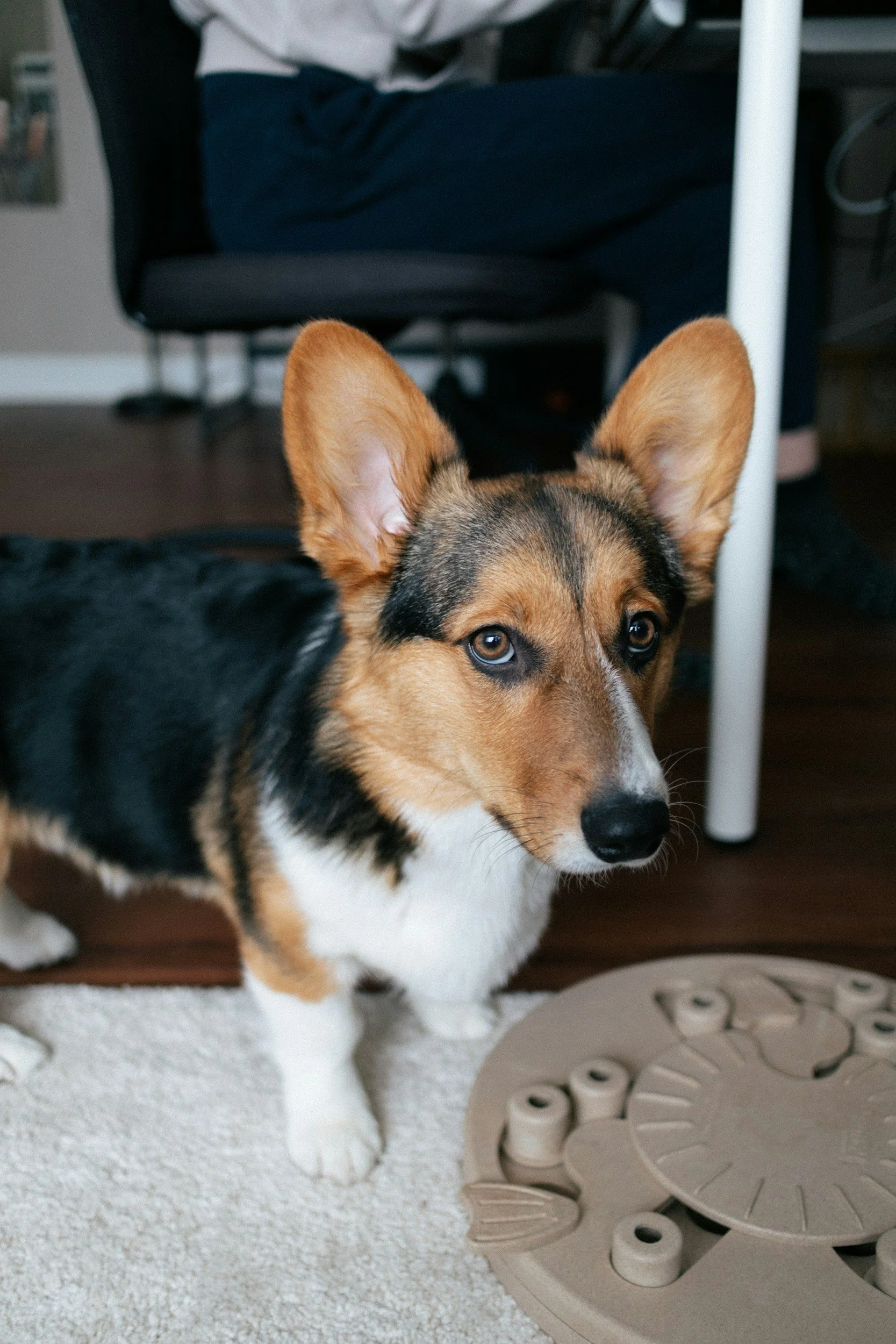
Mental stimulation can help keep your dog mentally engaged and reduce boredom-induced eating. Provide puzzle toys, interactive toys, or training exercises to keep your dog mentally stimulated and mentally satisfied.
Environmental adjustments
Make adjustments to your dog's environment to support weight management. For example, create a designated feeding area with no access to other food sources, remove food from reach during mealtimes, and avoid feeding your dog as a form of emotional comfort.
Regular veterinary check-ups
Regular veterinary check-ups are essential for monitoring your dog's weight and overall health, and identifying any underlying health conditions that may contribute to obesity. Your veterinarian can provide guidance on weight management, dietary recommendations, and exercise plans tailored to your dog's individual needs.
Behaviour modification
Address any behavioural issues that may contribute to your dog's obesity, such as begging or food stealing. Provide positive reinforcement for desired behaviours and avoid rewarding begging or food-seeking behaviours.
While these home care tips can greatly help you in your efforts to manage your dog’s weight issues, it’s also worth taking a look at hydrotherapy as a valuable complementary therapy.
What is hydrotherapy and how can it help my obese dog?
Hydrotherapy, or water therapy, can be a beneficial form of exercise for canines and may aid in weight loss. Here's how hydrotherapy and weight loss for canines can work together:
Low-impact exercise
Hydrotherapy provides a low-impact form of exercise for canines, especially for those with joint issues, obesity, or other physical limitations. Water buoyancy reduces the weight-bearing load on the joints, which can minimise stress and strain while allowing for safe movement and exercise. This makes hydrotherapy a great option for overweight or obese dogs that may have difficulty with traditional forms of exercise.
Increased calorie burn
Hydrotherapy can help canines burn calories, which may contribute to weight loss. Dogs need to use energy to move through water against resistance, which can increase their heart rate, muscle activity, and overall calorie expenditure. This can be especially beneficial for overweight dogs, as increased calorie burn can create a calorie deficit and lead to weight loss when combined with a balanced diet.
Muscle strengthening
Hydrotherapy can also help canines build muscle strength, which is important for overall fitness and weight management. The resistance provided by the water can challenge the muscles, leading to improved muscle tone and strength. This can help canines develop a stronger musculoskeletal system, which may support weight loss efforts by increasing their ability to engage in other forms of exercise and physical activity.
Improved cardiovascular health
Hydrotherapy can provide cardiovascular benefits for canines, which may also contribute to weight loss. Swimming or walking in water requires cardiovascular effort, as the heart has to work harder to pump blood and oxygen to the muscles. Over time, this can lead to improved cardiovascular fitness, which may support weight loss efforts by increasing the dog's ability to engage in more vigorous forms of exercise.
Reduced stress and anxiety
Overweight canines may experience stress or anxiety related to their physical condition, and hydrotherapy can help reduce these factors. Water can have a calming effect on dogs, and the buoyancy can help reduce stress on their joints and muscles. Reduced stress and anxiety levels can positively impact a dog's overall well-being, potentially leading to better weight management and weight loss outcomes.
Factors to consider before starting hydrotherapy
It's important to note that hydrotherapy should be done under the supervision of trained professionals, like the certified canine hydrotherapists at Water Walkies, to ensure the safety and well-being of the dog.
Additionally, weight loss efforts in canines should always be done in consultation with a veterinarian, who can provide guidance on the appropriate diet, exercise, and weight management plan tailored to the individual needs of the dog.
Proper diet, exercise, and overall health management are essential for successful weight loss in canines, and hydrotherapy can be a valuable adjunctive therapy in conjunction with a comprehensive weight loss plan.
Always consult with your veterinarian before starting any new exercise or weight loss program for your canine companion.
So, if you are considering hydrotherapy for your dog as part of a weight loss plan, it's important to work closely with your veterinarian and a qualified professional to ensure the best possible outcomes for your dog's health and well-being.
Takeaway
Managing obesity in dogs requires a multi-faceted approach and ongoing consistency. Working closely with your veterinarian is essential to develop a comprehensive weight-management plan tailored to your dog’s individual needs. Alongside appropriate diet management, regular exercise, and veterinary care, supportive services such as hydrotherapy, water-treadmill exercise, and nutrition consultations can play an important role in promoting safe movement, improving fitness, and supporting sustainable weight loss.
If you’re concerned your dog may be overweight or obese, speak with your veterinarian for proper assessment and guidance. From there, our team can support your dog through a personalised wellness plan designed to improve comfort, mobility, and long-term health. Obesity is both preventable and manageable, and with the right support, your dog can achieve a healthier weight and enjoy a happier, more active life.
Originally Written: June 5, 2023