

Intervertebral Disc Disease (IVDD) in Dogs: What Owners Need to Know
Intervertebral Disc Disease (IVDD) is one of the most common spinal conditions affecting dogs, particularly breeds with long backs or short legs. It may develop suddenly or progress gradually, and in some cases can cause significant pain, weakness, or paralysis. Understanding IVDD, recognising early signs, and knowing what supportive care options are available can make a meaningful difference to recovery and long-term quality of life.
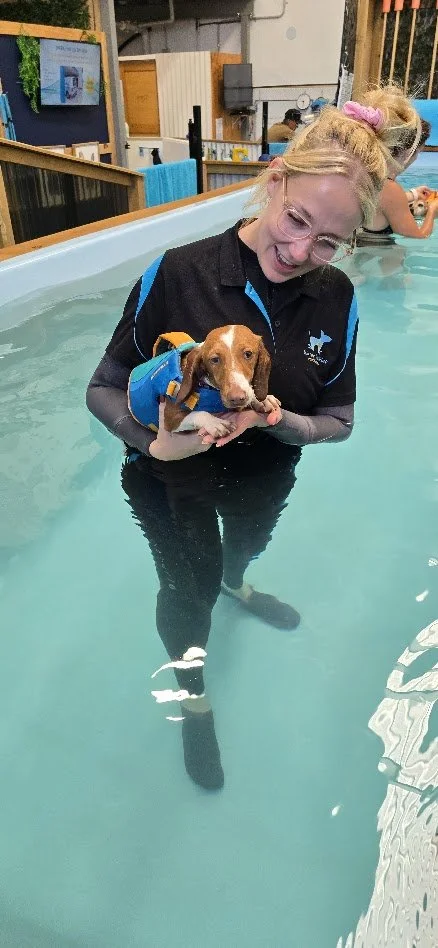
What Is IVDD?
IVDD occurs when the cushioning discs between the vertebrae of the spine degenerate, bulge, or rupture. These discs normally act as shock absorbers, allowing smooth spinal movement. When compromised, disc material can place pressure on the spinal cord or nerves, leading to inflammation, pain, and neurological dysfunction.
Types of IVDD
Type I IVDD – Sudden disc rupture, commonly seen in breeds such as Dachshunds, French Bulldogs, and Beagles.
Type II IVDD – Slower, progressive disc degeneration, more common in larger breeds and older dogs.
Common Signs of IVDD
Signs vary depending on severity and disc location, but may include:
Back or neck pain
Reluctance to move, jump, or climb stairs
Weakness or wobbliness in the limbs
Knuckling of the paws
Difficulty standing or walking
Loss of bladder or bowel control
Partial or complete paralysis in severe cases
Any sudden change in mobility or spinal pain should be treated as a veterinary priority.
Diagnosis and Veterinary Treatment
Diagnosis is made by a veterinarian through physical and neurological examination, often supported by imaging such as X-rays, CT, or MRI. Treatment recommendations may include:
Strict rest and activity restriction
Pain relief and anti-inflammatory medication
Surgical intervention in more severe cases
Your veterinarian will guide treatment based on your dog’s neurological status and overall health.
Rehabilitation and Supportive Therapies
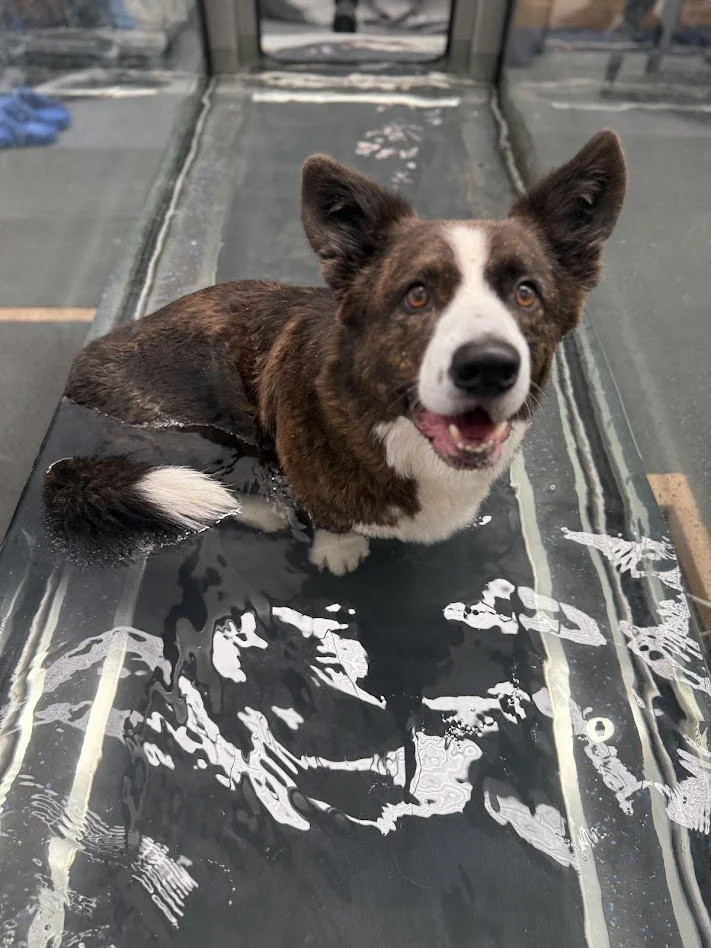
Once your dog has been stabilised and cleared by a veterinarian, rehabilitation can play an important role in recovery and long-term management.
Supportive therapies may include:
Hydrotherapy – allows controlled movement while reducing spinal loading
Underwater treadmill therapy – supports strength, coordination, and gait retraining in a safe environment
Class 4 laser therapy (photobiomodulation) – helps reduce pain and inflammation, supports tissue healing, and may assist neurological recovery
Targeted rehabilitation exercises – tailored to neurological ability and stage of healing
Nutrition consultations – support healthy body weight and reduce strain on the spine
All rehabilitation is introduced gradually and adjusted based on comfort, progress, and veterinary guidance.
Long-Term Management and Outlook
Many dogs with IVDD go on to live comfortable, fulfilling lives. Long-term management often focuses on:
Maintaining a healthy body weight
Avoiding high-impact or uncontrolled activity
Supporting core strength and stability
Monitoring for recurrence or progression
Ongoing collaboration between owners, veterinarians, and rehabilitation professionals is key.
Supporting Your Dog Through IVDD
IVDD can be confronting, but it does not automatically mean a poor outcome. With early intervention, patience, and a structured care plan, many dogs regain function and comfort.
If your dog has been diagnosed with IVDD, speak with your veterinarian about whether rehabilitation and supportive therapies may be appropriate at their stage of recovery.
Posted 01 February 2026