

Tendon Injuries in Dogs: What You Need to Know
Tendon injuries in canines are relatively common and can be caused by a variety of factors, including trauma, overuse, or degeneration due to ageing. The tendons are strong, fibrous tissues that connect muscles to bones, and they play a crucial role in facilitating movement and maintaining stability in the joints.
In this article, we will delve more into canine tendon injuries, covering the most common types of tendon injuries in dogs, the available treatment options, and the incredible benefits of canine hydrotherapy in rehabilitating these injuries.
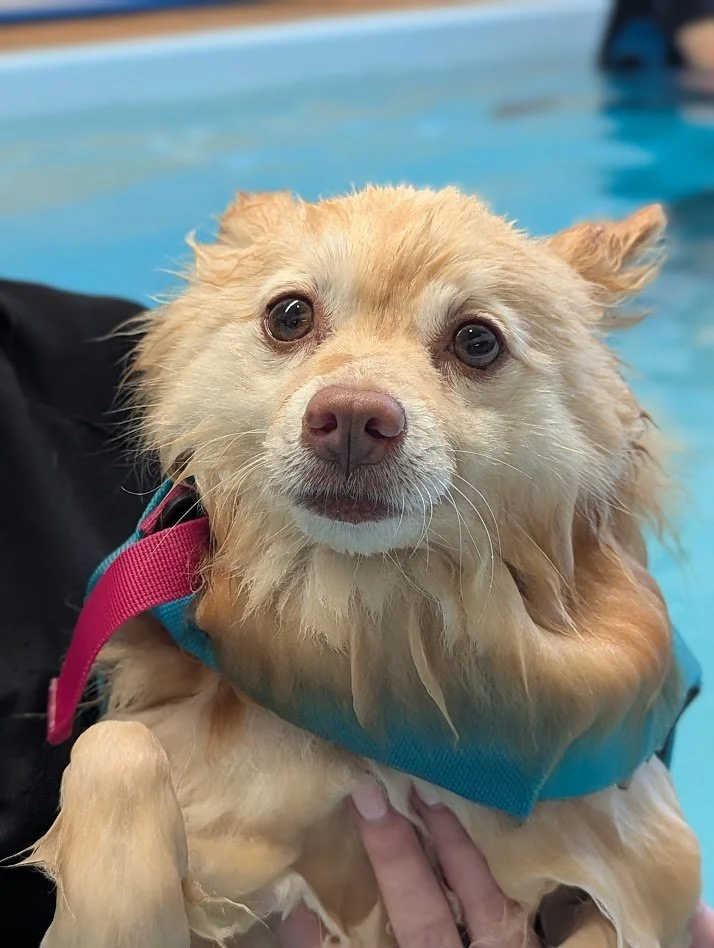
What are the types of tendon injuries that dogs can experience?
The most common types of tendon injuries in dogs include:
Strains and sprains
These are caused by overuse or excessive stretching of the tendons, and they can result in pain, swelling, and lameness.
Partial tears
These occur when the tendon is stretched or twisted beyond its capacity, leading to a partial tear. This can cause pain, swelling, and difficulty using the affected limb.
Complete tears
These occur when the tendon is completely torn or ruptured, and they can result in severe pain, swelling, and complete loss of function in the affected limb.
What are the treatment options for tendon injuries in dogs?
Treatment for tendon injuries in dogs typically involves rest, physical therapy, and sometimes surgery. In some cases, medications may also be prescribed to manage pain and inflammation. It is important to seek prompt veterinary care if you suspect your dog has a tendon injury, as early intervention can improve the chances of a successful outcome.
Home Care
Home care for canine tendon injuries may vary depending on the severity of the injury and the specific tendon involved. It's important to consult with your veterinarian for proper diagnosis and treatment recommendations. However, here are some general guidelines for home care of canine tendon injuries:
Rest
Rest is crucial for tendon healing. Avoid activities that can strain or stress the injured tendon, such as running, jumping, or playing rough with other dogs. Restrict your dog's physical activity and keep them confined to a small, comfortable space to prevent further damage to the tendon.
Cold compresses
Applying cold compresses to the injured area can help reduce swelling and inflammation. You can use a cold pack or wrap ice in a towel and apply it to the affected area for 10-15 minutes several times a day. Be sure to avoid direct contact of ice with the skin to prevent frostbite.
Medication
Your veterinarian may prescribe pain medications or anti-inflammatory drugs to help manage pain and reduce inflammation. Follow your veterinarian's instructions for administering any prescribed medications, and do not give your dog any over-the-counter medications without consulting your veterinarian first.
Assistive devices
Depending on the location and severity of the tendon injury, your veterinarian may recommend using a splint, brace, or bandage to provide support to the affected limb and protect the injured tendon. Follow your veterinarian's instructions on how to properly apply and use any assistive devices.
Gentle range of motion exercises
In some cases, your veterinarian may recommend gentle range of motion exercises for the injured tendon to prevent stiffness and promote healing. These exercises should only be done under the guidance of your veterinarian to avoid further injury.
Diet and supplements
Proper nutrition is important for overall health and healing, including tendon injuries. Feed your dog a balanced and nutritious diet that supports their overall health and promotes healing. Your veterinarian may also recommend specific supplements, such as omega-3 fatty acids or joint supplements, to support tendon health and healing.
Regular follow-up with your veterinarian
It's important to closely follow your veterinarian's instructions and have regular follow-up appointments to monitor the progress of your dog's tendon injury. Your veterinarian may recommend additional treatments or adjustments to the home care plan based on your dog's response to treatment.
Remember, every tendon injury is different, and treatment may vary depending on the specific injury and your dog's individual condition. Always consult with your veterinarian for proper diagnosis, treatment recommendations, and guidance on home care for your dog's tendon injury. It's also important to prevent your dog from licking or chewing the injured area, as this can delay healing and cause further complications. Use an Elizabethan collar or other barrier as recommended by your veterinarian to prevent your dog from accessing the injured area. Proper care and management of a canine tendon injury at home, along with regular veterinary care, can help promote healing and improve your dog's chances of a successful recovery.
What is hydrotherapy and how can it help with canine tendon injuries?
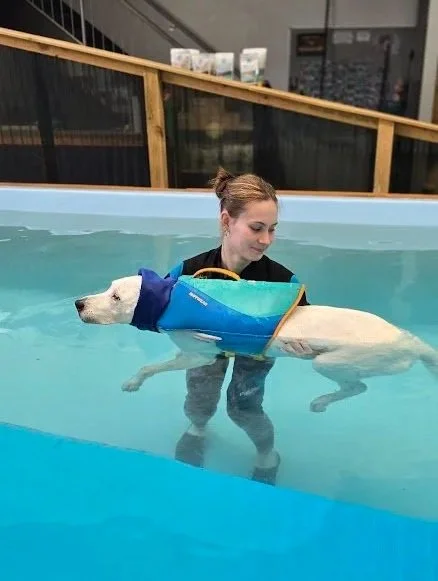
Hydrotherapy can be a beneficial form of treatment for canine tendon injuries. Tendons are tough, fibrous connective tissues that connect muscles to bones and help transmit forces generated by muscle contractions to produce movement. They can become injured due to trauma, overuse, or ageing.
Hydrotherapy, which involves the therapeutic use of water, can provide several advantages for treating tendon injuries in dogs. Here are some potential benefits:
Reduced Weight-Bearing
Water buoyancy can reduce the amount of weight and stress placed on injured tendons, allowing for more pain-free movement and exercise. This can be especially helpful during the initial stages of tendon healing when weight-bearing may be restricted to promote healing.
Increased Resistance
Water provides natural resistance against movement, which can help to strengthen the muscles surrounding the injured tendon. This can aid in the gradual rehabilitation and strengthening of the injured tendon once it has started healing.
Reduced Swelling
Immersion in water can help to reduce swelling and inflammation around the injured tendon. Cold water can be used to further reduce inflammation, while warm water can promote blood flow and relaxation of muscles.
Improved Range of Motion
Hydrotherapy can allow for a greater range of motion compared to land-based exercises, as the buoyancy of water can reduce joint compression and provide support during movement. This can help prevent stiffness and promote flexibility in the injured tendon.
Controlled Rehabilitation
Hydrotherapy can provide a controlled environment for rehabilitation, allowing for precise monitoring and adjustment of exercise intensity, duration, and frequency based on the individual dog's condition and progress. This can help prevent further injury and ensure a safe and effective recovery.
Is there anything else I should know before starting hydrotherapy?
It's important to note that hydrotherapy for tendon injuries in dogs should always be done under the guidance of qualified professionals, like the certified canine hydrotherapists at Water Walkies Hydrotherapy. They can assess the severity of the injury and develop a tailored rehabilitation program that may include hydrotherapy along with other appropriate treatment modalities for the best outcome. Each case may vary, and it's essential to follow the veterinarian's recommendations and closely monitor the dog's progress throughout the rehabilitation process. So, always consult with your veterinarian before starting any hydrotherapy or other rehabilitation programs for your canine companion.
Takeaway
Accurate diagnosis and appropriate treatment are essential when managing tendon injuries in dogs. Your veterinarian is best placed to assess the injury, determine its severity, and guide medical management. From there, supportive rehabilitation services such as hydrotherapy and nutrition consultations may be recommended to help protect the injured tendon, support controlled strengthening, and promote safe recovery.
Maintaining open communication with your veterinarian and rehabilitation team throughout the healing process helps ensure the best possible outcome. With a structured, individualised approach, many dogs can return to comfortable movement and improved function over time.
Originally Posted June 13, 2023